

Why Does The Density Of Alumina Ceramics Change?
Mar 30, 2022
Leave a message
In the ceramic industry, the development is getting faster and faster. The scale of many enterprises has become larger and larger due to the production of ceramics, and the quality of the products has become better and better. As one of them, alumina ceramics have become more and more mature in production technology. In fact, it can be divided into two categories. One is ceramics with very pure alumina content. Its sintering temperature can reach 1800 °C. It can even replace platinum and can be used as an insulating material.
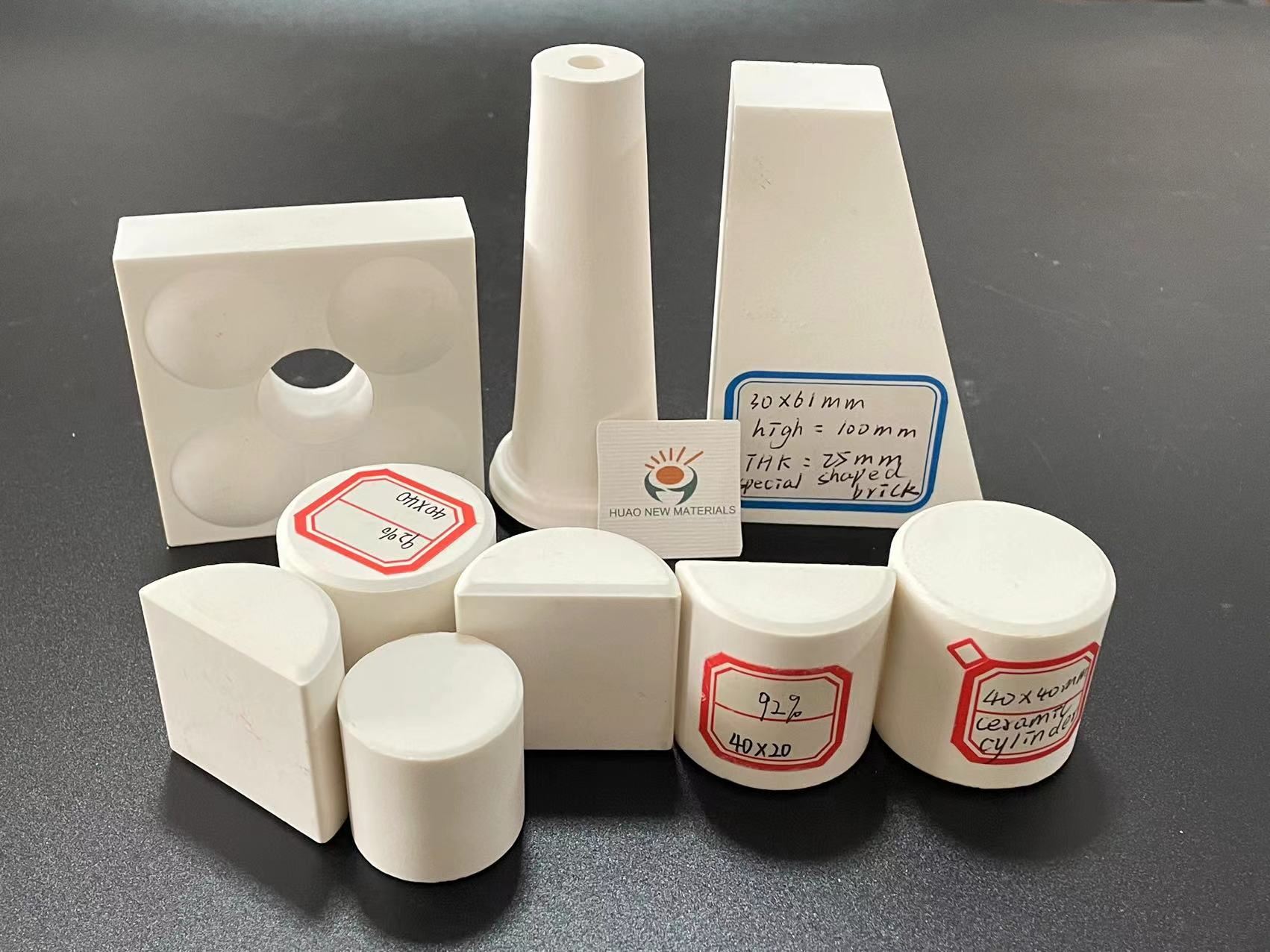
The other is the ordinary type, which is divided according to the content of alumina, mainly used in our daily life, such as making high temperature resistant crucibles, making ceramic valves, bearings, etc. How the density of alumina ceramics is affected depends on the properties of alumina itself.
Chemically, it is a compound, but technologically, it can only be used as a material, because it is also mixed with many kinds of impurities, not pure alumina. It is known that the hardness of alumina is relatively high, and it is an amphoteric oxide, which is prone to reaction and ionization, so it is best to be used as a refractory material. High temperature sintering is also required when making ceramics, so if you choose alumina as a compound, you can avoid burning out in the middle.

After the alumina ceramic is formed, the high purification step begins, and the density always fails to meet the requirements. At this time, it can be considered whether it is a problem with the raw powder and the formula. If there is no problem at the root, it can be increased. The method of pressure and increasing the sintering temperature, but do not prolong the holding time during high purification, because it may cause the deformation of the grains inside the alumina. In theory, the grains are required to be uniform, so that its structure and composition are good enough.