



Zibo Huao New Materials Co., Ltd
Zibo Huao New Materials Co.,Ltd is professional manufacturer and supplier of alumina based products, including alumina ceramic series products, refractory raw materials. More than 10+ years export experiences, not only is supplier, but also is eye of clients to monitor product quality and progress of orders.
Why Choose Us
Professional Team
We have skilled workers,experienced technicians,professional sale team,very sensitive to market information, can provided value information to clients, work with client, get win-win.
Production Market
Main market: Europe, Turkey, Iran, India, Australia, England, Russia, Vietnam, South Africa, South America, Ukraine, etc.
Our Service
Our service runs throughout the whole production process from the pre-sales, product design, production and after-sales.
After -Sales
Professional and thoughtful after -sales team, let you worry about us after -sales Intimate service, strong after -sales team support.

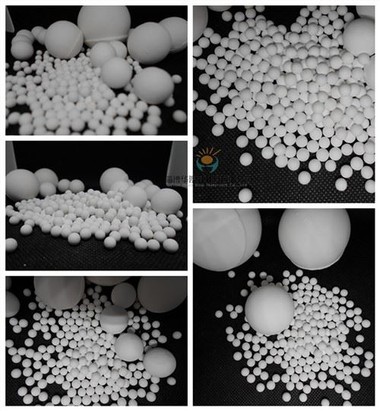

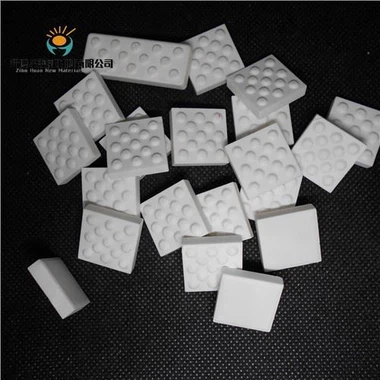


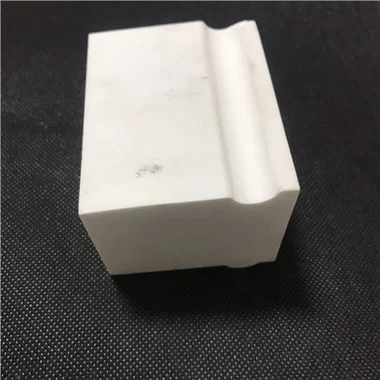


With high wear resistance, it can extend the use time of the instrument
Alumina ceramic liner is a material of good wear resistance and impact resistance. It is an ideal surface anti-wear material widely used in thermal power, iron and steel, smelting, agricultural machinery, coal, mining, chemical, cement, port terminals and other industries, as coal conveying systems, material conveying systems, pulverizing systems, ash discharge systems, and dust removal systems , ore loading and unloading, silos, chutes, pipelines and other wear-resistant layers on all mechanical equipment with great wear. The main function is to effectively resist the impact and abrasion of the equipment and the working surface of the pipeline when the material passes through.
Alumina ceramics have the characteristics of wear resistance, impact resistance, high temperature resistance and easy installation.Its a good choice for industrial maintenance and equipment protection.
Application of wear-resistant alumina ceramic linings in mining industry
Wear-resistant alumina ceramic linings are suitable for wear protection of various mining equipment, such as coal mines, copper ore, tungsten ore, nickel ore, iron ore and other mines, as well as washing plants.
Ore beneficiation is an important process in the mining industry.
Many metal and non-metal parts in many beneficiation equipment are damaged due to continuous work, resulting in a lot of manpower, material and financial losses, and even affecting production efficiency. Therefore, the serious wear and short service life of the beneficiation equipment has caused a serious effect on the ore beneficiation production.
Wear-resistant alumina ceramic linings has become one of the commonly used materials in the ore washing industry due to its superior wear resistance performance. Its properties are high hardness, good wear resistance, corrosion resistance, low density, and certain impact resistance.
Wear-resistant alumina ceramic lining is a product of low production costs and good wear resistance, and are currently widely used in mining, mineral processing, metallurgy and chemical industries.
The easily worn systems and equipment in the ore beneficiation industry include grading and screening equipment such as liquid conveying pipelines and cyclones, the main washing equipment of heavy medium coal preparation plants, heavy media cyclones, various pipelines, chutes, as well as hoppers, slag slurry pumps, silos, chutes, magnetic separators, etc.
Take the heavy-media cyclone as an example, the wear damage of the equipment is mostly caused by erosion and wear, and the service life of easily worn parts is very short. In order to meet the continuous production requirements of the ore washing and concentrator, the alumina ceramic lining is used as an ideal wear-resistant material.
How to Choose Alumina Wear Resistant Ceramics?
Wear resistant ceramics are special corundum ceramics made of Al2O3 as the main raw material, rare metal oxides as the flux, and calcined at 17000 ℃ and then combined with special rubber and high-strength organic / inorganic adhesives.
At present, alumina wear-resistant ceramics have been widely used in steel, coal, thermal power, cement, smelting and other industries.So how to choose wear-resistant ceramics?
Hardness of wear resistant ceramics
Generally, wear-resistant ceramic sheets are widely used in various equipment. They are directly pasted on the surface of the equipment to protect the equipment from wear. Because the ceramic sheets are small in size, they can be flexibly applied to equipment of various shapes. Ceramics with different hardness shall be selected for different equipment, which shall be determined according to the working conditions.
Abrasion resistance
More wear-resistant ceramics need to be used in special working conditions, such as ZTA toughened alumina ceramics. ZTA toughened alumina ceramics add certain zirconia ceramic ingredients on the basis of alumina. The wear resistance and toughness are between alumina ceramics and zirconia ceramics. ZTA ceramics have better wear resistance than 95% alumina ceramics.
Working temperature
Secondly, the working temperature of the equipment should be considered, which determines the selection of the installation method of wear-resistant ceramics to ensure that the wear-resistant ceramics can not fall off under high temperature conditions. In case of bulk material transportation, the impact strength shall be evaluated by integrating material properties, particle size, drop, erosion angle and other factors to ensure the selection of appropriate wear-resistant ceramics.
What is Alumina Lining Brick and Application Characteristics




What is alumina lining brick? In fact, wear-resistant alumina lining bricks are also known as ceramic lining bricks, medium aluminum lining bricks, high alumina lining bricks, 92 alumina ceramic lining bricks, alumina lining bricks, and microcrystalline wear-resistant alumina lining bricks. Its lining brick products are widely used in ceramics, cement, coatings, pigments, and chemicals. Industry, medicine, paint and other industries. It can effectively improve grinding efficiency, reduce grinding costs, and reduce product pollution.
The application characteristics of its alumina lining brick products are shown in:
- Wear-resistant alumina lining bricks should be made of high-purity high-quality alumina, which greatly reduces the pollution of abrasive materials.
- The wear resistance and wear resistance of brick lining products are 266 times that of manganese steel, which effectively prolongs the service life of the equipment.
- Alumina lining brick products can be matched with high alumina balls to make the slurry fine.
- Alumina lining brick products have the advantages of corrosion resistance, high density and high mechanical strength.
Wear-resistant alumina lining brick is a kind of wear-resistant lining product for ball mills. It can also be used in refractory materials, electronics, ceramics, high-temperature kilns, etc.; and in petrochemical gasification furnaces, gasification furnaces, carbon black industrial reaction Furnace, metallurgical industry induction furnace and other high-temperature thermal equipment insulation layer and other applications can save 20% to 30% of energy, and cannot be used as a lithium brick. For high-temperature kilns, the heating speed during baking cannot be too fast, otherwise cracks will occur, which will reduce the strength and service life; due to its high apparent porosity, it cannot be used to contact the slag part, otherwise it will be damaged by slag penetration.
Alumina, or aluminum oxide, is one of the most widely used types of oxide ceramic materials. It boasts suitability for varied specialized applications due to its favorable set of properties. It's the material of choice for cutting tools, abrasion-resistant tiles, spark plugs, and other parts.
However, there is not just a single type of alumina ceramics that's the perfect choice for all of its applications. Alumina injection molding companies work with a wide selection of different grades of alumina ceramics to give their clients the part they require with the characteristics they need, which is why it's important to know what those grades are.
Smelter grade
Metallurgical or smelter grade alumina is the type of alumina used for manufacturing aluminum metal. It's made from aluminum hydroxide in either fluid flash calciners or in fluid beds. The fluid flash process first removes free water and chemically combined water from alumina before gradually decreasing its surface.
From there, alumina undergoes extremely high temperatures and calcination to transform into the α-form typically of the order of 25% with the specific surface area of >50m2/g.
Low soda
Many specialized applications for parts and components that are made from alumina, mainly in the electronic and electrical industries, require the presence of low soda levels in aluminum oxide. The low soda generally refers to the content of soda which is <0.1% of the entire weight of the component. It's possible to achieve this with several different processes, such as boron and chlorine addition, acid washing, and others.
Reactive
The term "reactive alumina" refers to the type of technical ceramics that features a relatively high degree of purity and small sizes of crystals, typically <1μm which then sinters to a completely dense body at lower temperatures when compared to ordinary-soda, medium-soda, and low-soda alumina. This type of aluminum oxide is a good choice in applications that require high chemical inertness, temperature resistance, wear resistance, and strength.
Tabular
This is a sintered or recrystallized α-alumina with a morphology that consists of large and flat-shaped corundum crystals with the size of 50-500μm. It originates through the processes of pressing, extruding, or pelletizing calcined alumina into different shapes before heating them to temperatures below its melting point in shaft kilns, approximately to 1800℃.
After the process of calcination, sintered alumina spheres are suitable for different purposes, such as for use in catalyst beds, or you can grind, screen, and crush them to different sizes according to your requirements.
Fused
This type of alumina originates in electric arc furnaces as a current passes between different vertical carbon electrodes. The generated heat then melts the aluminum oxide, creating a material with high refractoriness, low permeability, low porosity, and high density, suitable for use in refractories and abrasives.
High purity
Finally, high-purity alumina refers to the material which has a purity of 99.99% and higher. Professionals can make it starting from Bayer hydrate and through successive washings and activations, or with chloride until they reach the required purity. Highest-purity aluminas are made either from aluminum metal or by calcining ammonium aluminum sulfate.
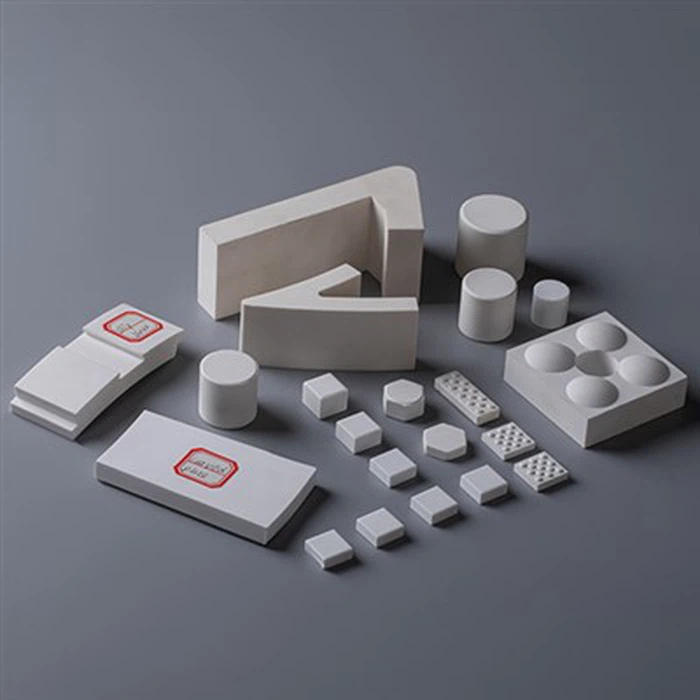
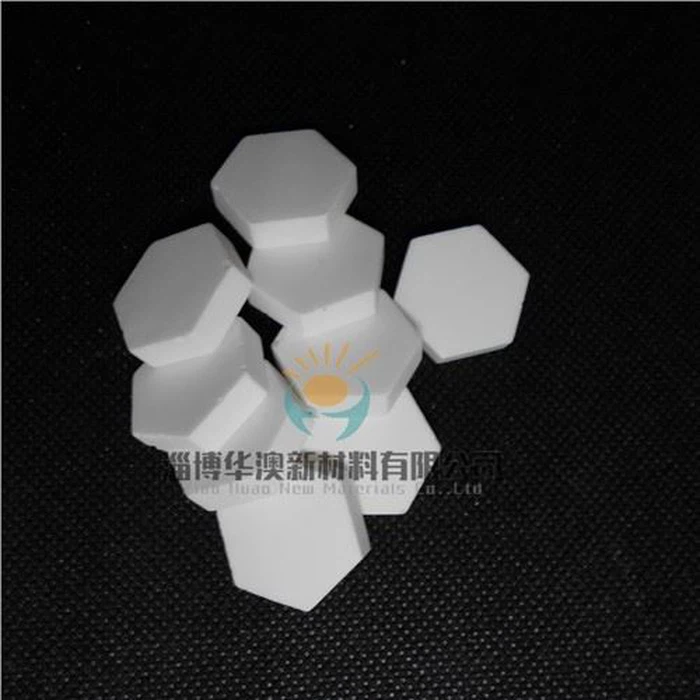
Alumina wear-resistant lining tiles are essential for industries that require heavy-duty equipment to operate efficiently. These tiles are made of high purity alumina ceramics, designed to withstand extreme temperatures and abrasive environments.
92% alumina content tiles are perfect for light-duty applications where high wear resistance is not a requirement. They are ideal for wet grinding and mixing applications, in addition to conveying systems where lower wear rates are expected.
95% alumina content tiles are ideal for mid-duty applications where there is a moderate amount of wear expected. They are perfect for dry grinding and mixing applications, as well as in conveying systems and chute linings where moderate wear rates are expected.
Our high-purity 99% alumina content tiles are designed for heavy-duty applications with the highest wear resistance requirements. They are ideal for mining applications, chemical processing, and high-temperature furnace linings.
There are differences in performance between 92% aluminum and 95% aluminum wear-resistant ceramic pieces, as follows:
Hardness. The wear-resistant ceramic pieces with 95% aluminum content has higher hardness than that with 92% aluminum content, which improves its wear resistance to a certain extent. Therefore, the hardness may affect the durability of wear-resistant ceramic pieces.
Brittleness and curvature. The toughness of the wear-resistant ceramic pieces with 92% aluminum content is relatively strong, while the wear-resistant ceramic pieces with 95% aluminum content may be more brittle and may crack during bending or use. This may affect its performance in practical applications.
The price. 95% aluminum wear-resistant ceramic pieces because of its higher aluminum content and hardness, the production cost is usually higher, so compared with 92% aluminum wear-resistant ceramic pieces, 95% aluminum wear-resistant ceramic pieces price will be slightly higher.
These two kinds of wear-resistant ceramics have their unique characteristics and advantages, the specific choice of which type, need to be based on application conditions, frequency of use, cost control and other factors for comprehensive consideration. At the same time, in order to ensure the effect of use, it is recommended to choose professionals for selection and installation when replacing ceramic pieces.
The key application of industrial ceramic tube is in the production and manufacturing of power electronic technology industry, such as as the casing of high frequency and high power rectifier tube, electric vacuum tube power switch, etc. Laminated glass was originally used as the raw material of rectifier tube and tube type, but suffered from the large dielectric loss of the raw material itself and rapid heating, which is very easy to cause tube and tube cracking. At this stage, the tube and tube type used in high-power electronic devices is all three. Aluminum oxide (Al203) porcelain.
Alumina ceramic tube have the advantages of high impact toughness, good dielectric strength, low high frequency loss, high electrical and compressive strength, heat resistance, heat shock resistance, etc., and have the unmatched advantages of glass. It is suitable for high power on the market. Electron tube.
Alumina ceramic tube has excellent wear resistance and long service life. The surface is smooth and the coefficient of friction is low. It has low bulk density and light weight; it can resist the corrosion of various acids, alkalis and salts, and its hardness is second only to diamonds. Low coefficient of thermal expansion and thermal conductivity, working temperature up to 1800℃.
Our Factory
Alumina ceramic series products use for materials transfer equipment in mining, iron & steel work, thermal & powder plants, mine, etc. Refractory materials application is refractory products and abrasives, it is used in high temperature engineering equipment, metallurgical and chemical fields, ceramics and construction materials.


FAQ
Q: What is the wear resistance of alumina?
Q: What is wear resistant ceramics?
Q: What is alumina ceramic?
Q: What are the wear properties of alumina?
Q: Is alumina ceramic corrosion resistant?
Q: Which ceramic is the most durable?
Q: What is the difference between ceramic and alumina?
Q: Do ceramics have good wear resistance?
Q: Is alumina the same as ceramic?
Q: Is alumina ceramic harder than steel?
Q: Is zirconia ceramic better than alumina ceramic?
Q: What's the difference between aluminum and alumina?
Q: Is alumina a natural material?
Q: Is alumina ceramic corrosion resistant?
Q: How hard is alumina ceramic?
Q: What can I use instead of alumina ceramic?
Q: What are the applications of alumina ceramics?
Q: How is alumina used in ceramics?
Q: What are the medical applications of alumina ceramics?
Q: What is the most common use of alumina?
We're well-known as one of the leading wear resistant alumina ceramic manufacturers and suppliers in China for our quality products and good service. Please feel free to buy customized wear resistant alumina ceramic from our factory.
ZTA Ceramics, Alumina Ceramic Cyclone Liner Tube, Alumina Ceramic Lined Elbow