

Buyer's Guide: How To Select High-Performance Refractory Materials For Severe Thermal Environments ?
Oct 08, 2026
Leave a message
Industrial refractory materials serve as the critical structural and thermal barrier lining high-temperature furnaces, reactors, kilns, and ladles across heavy manufacturing industries. Choosing the right refractory system directly impacts thermal efficiency, campaign longevity, energy consumption, and operating safety. Given the diverse operational conditions across metallurgy, glass, cement, and petrochemical processing, procurement teams must adopt a systematic evaluation approach rather than relying solely on raw material cost. Sourcing certified thermal materials through HUAO enables industrial plants to match rigorous operational stress factors with precisely engineered refractory solutions.
Analyzing Core Environmental Operating Stresses
Before specifying refractory compositions or brick geometries, plant engineers and purchasing officers must analyze the multi-axial operational stresses present inside the thermal reactor:
- Thermal Stress and Temperature Peaks: Evaluating maximum continuous operating temperatures, peak thermal spikes, and the frequency of thermal cycling. High-frequency temperature swings require materials with low thermal expansion coefficients and high thermal shock resistance to prevent structural spalling.
- Chemical Erosion and Slag Attack: Identifying the chemical nature of the process environment-whether acidic, basic, or neutral. Basic slags in steelmaking demand basic refractories such as magnesia, while neutral or acidic environments perform optimally with high-alumina, tabular alumina, or synthetic mullite systems.
- Mechanical Abrasion and Impact: Assessing physical wear caused by high-velocity gas flows, airborne particulate erosion, molten metal turbulence, or heavy solid charge impact. High bulk density and strong cold crushing strength (CCS) are essential to resist mechanical degradation.
- Gas Permeability and Corrosion: Considering volatile alkali vapor, carbon monoxide, or corrosive gas penetration that can cause destructive internal expansion within porous brick structures.
Comprehensive Material Portfolio Breakdown
Modern refractory architectures rely on both shaped pre-fired bricks and unshaped monolithic formulations. A well-designed lining often combines multiple material classes to achieve optimal thermal efficiency:
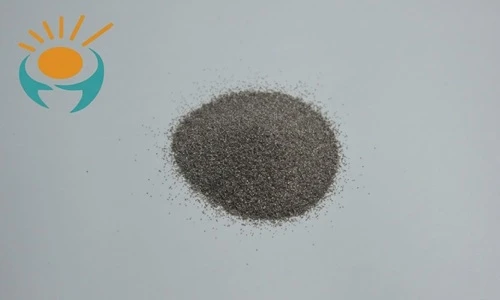
High-Alumina and Fused Minerals: White Fused Alumina (WFA) and Tabular Alumina deliver ultra-high purity (Al₂O₃ ≥ 99%), exceptional refractoriness (1850℃), and superior resistance to molten slag erosion. These are ideal for steel ladle working linings, purging plugs, and sliding nozzles.
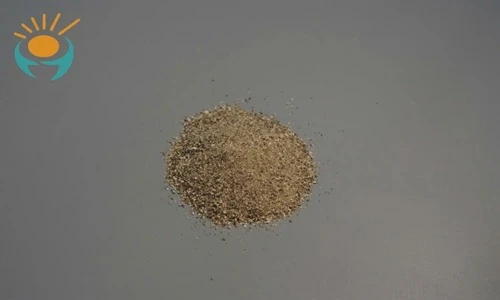
Synthetic Mullite and Magnesia: Synthetic mullite provides exceptional creep resistance and high-temperature structural stability for ceramic kiln furniture and hot-blast stoves. Magnesia formulations excel in basic steelmaking environments due to their strong corrosion resistance against basic slag.
Micro-Powder Matrix Densifiers: Incorporating sub-micron reactive alumina micro-powders (such as HA600 with D50 = 0.6 μm) and calcined alumina allows refractory formulators to minimize water addition in low-cement castables. This optimizes particle packing density and significantly increases hot modulus of rupture.
Evaluating Physical Criteria and Quality Benchmarks
To verify material quality and consistency during procurement, technical evaluation should focus on standardized laboratory parameters:
- Bulk Density and Apparent Porosity: Higher bulk density combined with controlled low porosity limits liquid metal or slag infiltration, dramatically extending service life under corrosive conditions.
- Refractoriness Under Load (RUL): RUL indicates the structural stability and deformation threshold of the refractory under simultaneous mechanical stress and elevated temperature.
- Cold Crushing Strength (CCS) and Hot Modulus of Rupture (HMOR): CCS measures room-temperature structural integrity for handling and installation, while HMOR reflects the true mechanical bending strength at actual working temperatures.
- Volumetric Stability and Reheating Linear Change: Permanent linear change after reheating must be minimal to prevent wide joint formation or internal structural buckling during prolonged thermal exposure.
Operational Benefits and Quality Assurance with HUAO
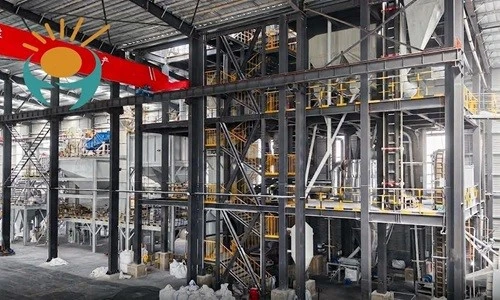
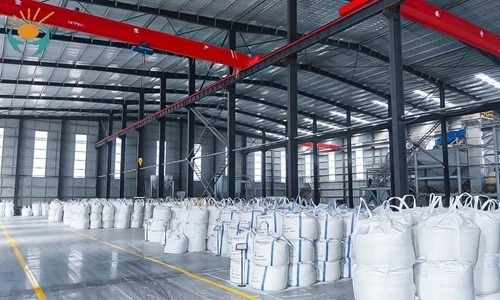
Ensuring batch-to-batch chemical consistency, tight physical tolerances, and reliable supply logistics is essential for large-scale refractory overhauls. HUAO operates under strict international quality frameworks-including ISO9001, ISO14001, and ISO45001 - guaranteeing zero-contamination purity and consistent thermal performance across all export batches. By offering customized grain size distributions, specialized packaging, and technical formulation guidance, HUAO supports global industrial partners in optimizing furnace campaign life and lowering overall lifecycle operating costs.
In summary, successful refractory procurement requires balancing thermal operating conditions, chemical slag compatibility, physical density targets, and precision matrix binder selection. Partnering with HUAO provides access to high-purity raw materials and expert technical support designed for demanding high-temperature applications.
If you want to know more about Refractory Materials, please click it.