

Buyer's Guide: Strategic Selection Of High-Alumina Ceramic Bricks For Mill Linings And Pipelines
Sep 30, 2026
Leave a message
Selecting high-performance wear-resistant ceramic linings is a critical engineering decision for protecting bulk material handling and mineral processing equipment against severe mechanical sliding abrasion, fine-particle erosion, and continuous impact shock. HUAO high-purity alumina ceramic lining bricks-engineered with dense microstructures and superior hardness (Mohs 9.0)-provide reliable internal protection for ball mills, stirred mills, chutes, and industrial pipe walls. By effectively isolating steel shells from corrosive and abrasive media, these linings substantially extend equipment service life, minimize unscheduled downtime, and prevent iron contamination to ensure strict batch purity. Sourcing precision-manufactured ceramic bricks from us enables industrial processing plants to maximize grinding efficiency, reduce long-term maintenance costs, and achieve exceptional operational longevity.
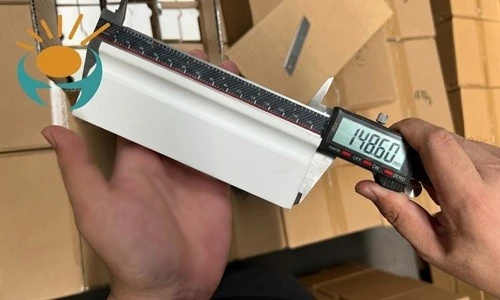
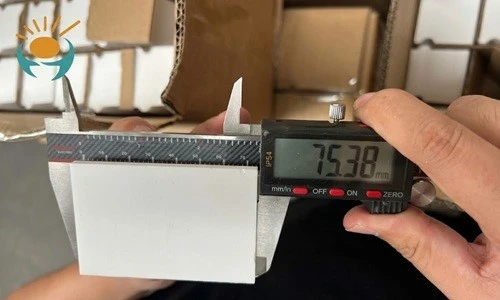
Four Essential Technical Metrics for Material Evaluation
Procurement teams must verify key physical and chemical specifications before placing lining orders:
- Al₂O₃ Purity Concentration: Higher chemical purity increases hardness and chemical resistance, which is vital when processing corrosive slurries.
- High Bulk Density (g/cm³): Elevated density indicates minimal internal micro-porosity, providing high resistance to surface erosion.
- Mohs Hardness Rating: Rated at Mohs 9, high-alumina bricks withstand continuous abrasive contact from minerals and hard ores.
- Micro-Wear Loss (≤ 0.01%): Low wear rates prevent batch discoloration and eliminate metallic contamination during wet or dry milling.
Technical Specifications: AH-92 vs. AH-95 Grades
Matching material grades to operational severity balances cost and service life:
AH-92 Grade: Standard High-Alumina Protection
Chemical Profile: Al₂O₃ ≥ 92%
Physical Profile: Bulk Density ≥ 3.60 g/cm³, Mohs Hardness 9, Wear Loss ≤ 0.01%, Color: White.
Practical Application: Recommended for standard ball mill bodies, ceramic glazes, and pneumatic pipe transport systems.
AH-95 Grade: Ultra-Dense Premium Protection
Chemical Profile: Al₂O₃ ≥ 95%
Physical Profile: Bulk Density ≥ 3.65 g/cm³, Mohs Hardness 9, Wear Loss ≤ 0.01%, Color: White.
Practical Application: Engineered for high-speed fine grinding, high-velocity slurries, and zero-contamination requirements.
Brick Types and Dimensional Compatibility
Combining complementary brick shapes ensures a tight, gap-free installation along curved or flat mill walls:
- Rectangle Brick: Standard block measuring H (40–120 mm) x W (50 mm) x L (150 mm) for straight shell sections.
- Half Rectangle Brick: Compact size of H (40–120 mm) x W (50 mm) x L (75 mm) for staggering joint lines.
- Trapezoid Brick: Tapered profile of H (40–120 mm) x W1/W2 (45/50 mm) x L (150 mm) for cylindrical shells and pipe curves.
- Half Trapezoid Brick: Tapered size of H (40–120 mm) x W1/W2 (45/50 mm) x L (75 mm) for mill head edge matching.
- Flake Brick: Thin profile of H (40–120 mm) x W (25 mm) x L (150 mm) for space-restricted internal linings.
Procurement Quality Control with HUAO
Maintain ultra-tight dimensional tolerances and uncompromised batch-to-batch consistency is essential to prevent brick dislodgement and structural failure under severe mechanical stress during mill rotation. HUAO engineers and supplies fully customized, complete lining kits tailored to precise mill volumes, shell geometry, and pipeline diameters-ensuring seamless joint interlocking, optimal stress distribution, and exceptional long-term mechanical stability. Partnering with us guarantees rigorous Quality Assurance, reliable lot repeatability, and comprehensive technical field support from installation to maintenance. In summary, selecting the ideal wear-resistant ceramic bricks requires evaluating core material parameters-including Al₂O₃ chemical purity (≥ 92% standard vs. ≥ 95% high-purity grades), bulk density (≥ 3.60 g/cm³ vs. ≥ 3.65 g/cm³), and equivalent wear rates-while determining the optimal geometric combination of straight, tapered, and interlocking profiles to maximize equipment uptime.
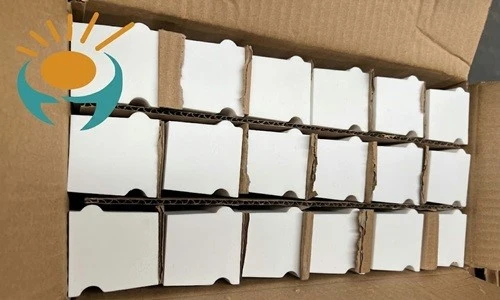
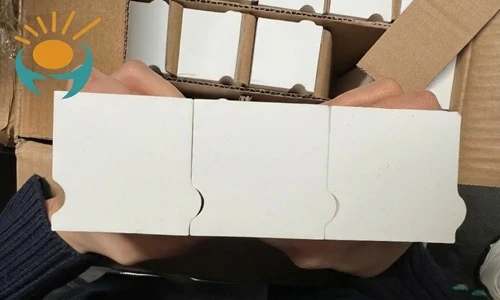
If you want to know more about Ceramic Bricks, please click it.