

Detailed Explanation Of The Production Process Of Calcined Alumina Powder
May 15, 2025
Leave a message
Detailed explanation of the production process of calcined alumina powder
As a key basic material in the industrial field, calcined alumina powder (α - Al ₂ O3) integrates high-temperature treatment, physical processing, and environmental protection technology in its production process. The main process can be divided into the following core steps:
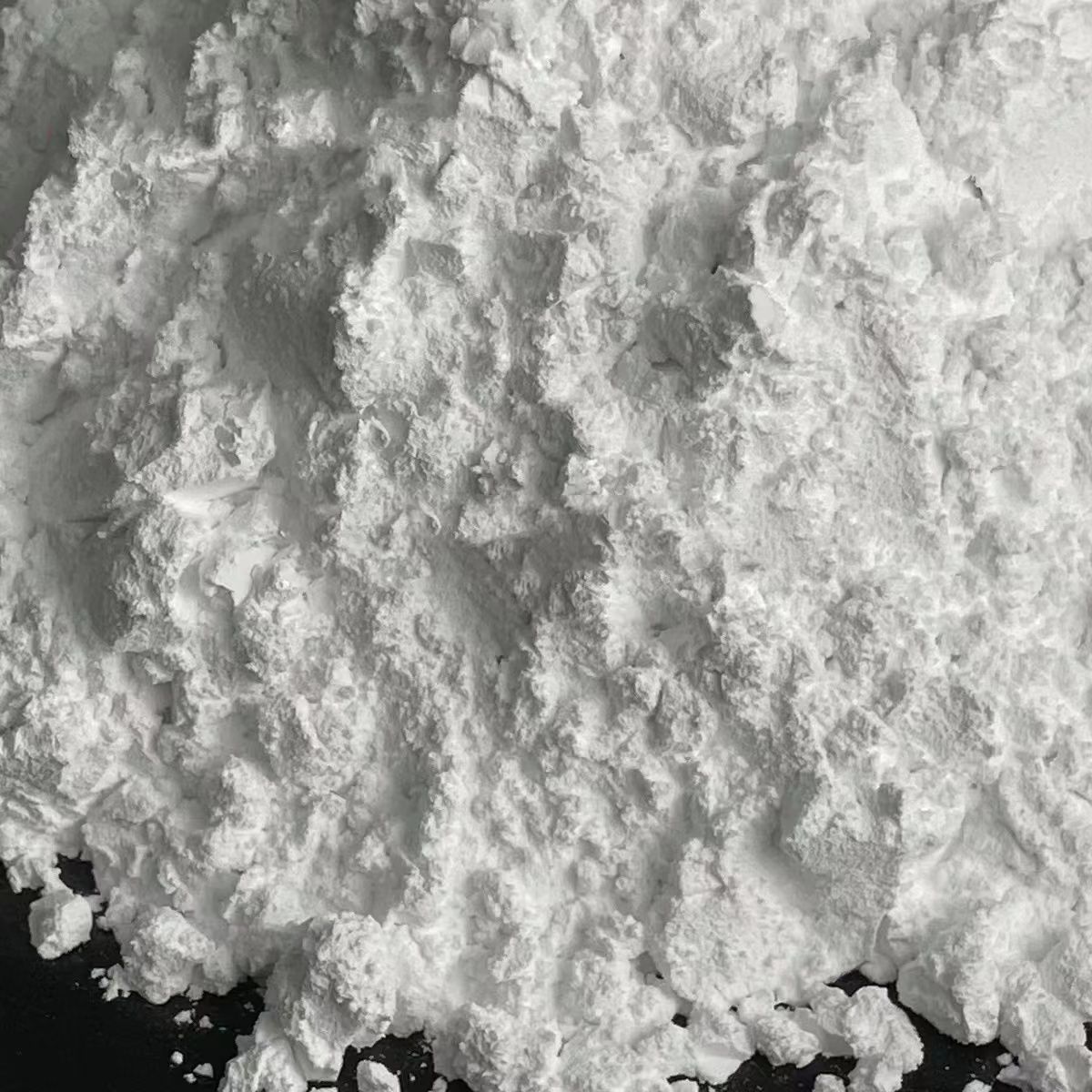
Raw material pretreatment
The main raw materials for production are bauxite or industrial aluminum hydroxide, which require multiple pretreatment processes:
Crushing and Grinding: Using ball mills or crushing equipment to grind raw materials to particle sizes less than 200 mesh, improving the efficiency of subsequent reactions;
Chemical purification: Impurities such as silicon, calcium, and magnesium are removed through acid leaching, limestone neutralization, and other methods. Some companies also use filtration technology to separate red mud (waste residue);
Drying and dehydration: Remove free water and crystalline water in a pre oven at 200-300 ℃ to avoid cracking during high-temperature calcination.
High temperature calcination process
This is the core stage of the process, which directly affects the purity and crystal structure of the product:
Rotary kiln calcination: The raw materials are calcined at a high temperature of 1300-1500 ℃ for 4-6 hours in a tilted rotary kiln to ensure the complete conversion of γ - Al ₂ O3 into a stable α phase with a purity of over 99.5%;
Gradient temperature control technology: The "gradient calcination method" developed by a certain enterprise in Shandong Province controls the temperature zone inside the kiln, shortens the reaction time through stepwise heating, and reduces energy consumption by 18%;
Waste gas treatment: The CO ₂, nitride and other waste gases generated during the calcination process are purified by dust removal and desulfurization devices before being discharged, which meets environmental standards.


Cooling and crushing processing
The calcined alumina needs to undergo fine processing to meet different application requirements:
Rapid cooling process: High temperature materials are rapidly cooled through air or water cooling systems to prevent secondary crystal growth and powder agglomeration;
Multi stage crushing:
Rough crushing stage: Jaw crusher or ball mill crushes block materials to millimeter level;
Ultra fine grinding: Airflow pulverizers or mechanical mills further refine the powder to the micrometer level (<100 μ m) or even nanometer level (<100nm).
Environmental protection and resource utilization technologies
Modern technology emphasizes green production and waste utilization:
Red mud recycling: After extracting iron elements from calcined waste (red mud) through magnetic separation, it can be made into roadbed materials or ceramic raw materials;
Wastewater recycling: Cleaning wastewater is treated through sedimentation, reverse osmosis and other technologies to achieve recycling and reduce water consumption
